How to Choose the Best Metallic Car Wrap for Your Vehicle?
The automotive customization industry is rapidly evolving, and one standout trend is the rise of Metallic Car Wraps. These wraps offer an innovative way to enhance a vehicle’s aesthetic appeal while providing protection for the original paint. According to a report by Grand View Research, the global vehicle wrapping market is expected to reach $6.46 billion by 2025, driven largely by unique finishes like metallic options.
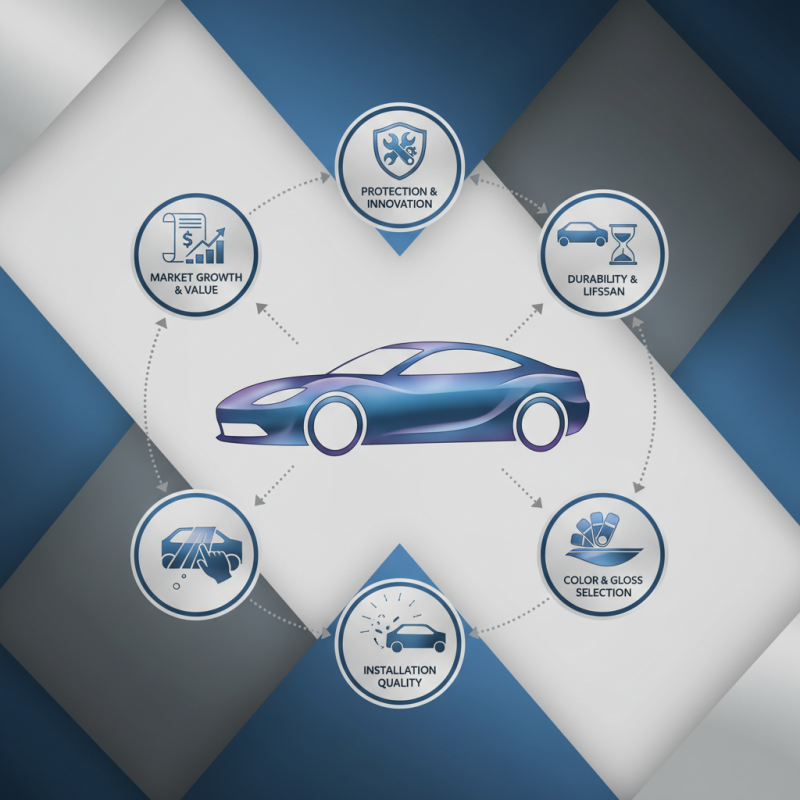
When selecting a metallic car wrap, drivers must consider several key factors. The quality of the wrap material can vary significantly between manufacturers, impacting both durability and appearance. Some wraps can last as long as seven years, while others may deteriorate within months. Drivers often overlook the importance of installation techniques, which can make or break the overall finish and longevity of the wrap.
Additionally, the color and gloss levels of metallic car wraps can greatly influence the final look of a vehicle. Selecting the wrong shade may result in dissatisfaction, leading to costly reapplication. It’s crucial to understand the nuances of different options available, as they can significantly affect your vehicle's aesthetic appeal and resale value. With careful consideration, a metallic car wrap can transform a mundane vehicle into a head-turning masterpiece.
Factors to Consider When Choosing a Metallic Car Wrap
Choosing the right metallic car wrap can be a creative yet complex decision. One essential factor is the finish. Various metallic wraps offer different sheen levels. Some provide a bright, reflective surface, while others feature a subtle, matte texture. Think about your vehicle's overall style, as the finish should complement it.
Another critical aspect to consider is durability. Metallic wraps vary in quality, affecting how long they last. High-quality options resist fading and peeling better than cheaper alternatives. Check the manufacturer's specifications for durability ratings. This can help prevent costly remounts in the future.
Moreover, color selection plays a vital role. Metallic hues can transform your vehicle's personality. Popular choices range from deep blue to shimmering silver. Visualize how each color suits your design goals. It’s important to remember that lighting influences how colors appear. Test samples under different conditions before finalizing your choice. Each factor demands thoughtful consideration to ensure a satisfying outcome.
Types of Metallic Car Wrap Finishes and Their Effects
Choosing the right metallic car wrap can transform your vehicle's appearance. Different finishes offer unique effects that can enhance your car’s style. Common types include matte metallic, glossy metallic, and satin metallic. Each has its own character and can influence the overall tone of your vehicle.
Matte metallic wraps provide a subtle and sophisticated look. They absorb light rather than reflecting it, creating a muted elegance. Glossy finishes, on the other hand, shine bright and draw attention. They add depth and vibrancy, making colors pop. Satin metallic wraps strike a balance, combining elements of both matte and glossy. They offer a smooth look while still retaining some shine.
When selecting a wrap, consider its longevity and maintenance. Some metallic finishes can be more prone to scratches or fading. Regular cleaning can help maintain their luster. A poorly applied wrap may lead to bubbles or peeling. Ensure your installation is done by a professional. Each wrap has unique properties and requires different care. Always weigh your options carefully before making a final decision.
Quality Indicators for Metallic Car Wrap Materials
Choosing the right metallic car wrap involves understanding quality indicators that distinguish superior materials. Look for wraps with high durability. A strong material should resist scratches, fading, and peeling. Check the thickness as well. Thicker wraps tend to offer better protection and longevity. A quality wrap should maintain its shine over time.
Adhesion is another crucial factor. Quality metallic wraps adhere well to the vehicle's surface. They should avoid bubbles and creases during application. This ensures a professional look and durability. Conduct tests on adhesion quality, if possible. Some wraps may perform well initially but peel off after a while, which is disappointing.
Color shift is unique to metallic wraps. High-quality materials should reflect light effectively, showcasing vibrant hues. Inspect for consistency in color and finish. Some wraps might appear dull or inconsistent upon closer inspection. It's essential to balance aesthetics with functionality when selecting your wrap. Don't rush the choice; take your time to analyze options before making a decision.
Quality Indicators for Metallic Car Wrap Materials
How to Measure Your Vehicle for a Proper Wrap Fit
Measuring your vehicle accurately is crucial for a proper wrap fit. A poorly measured wrap can lead to unsightly air bubbles and peeling edges, which can detract from the overall appearance. According to industry reports, poor installation is often cited as a leading cause of wrap failure, accounting for nearly 30% of complaints.
To begin, gather a measuring tape and start with the length of the car, measuring from the front bumper to the rear. Make sure to measure the widest points, especially for curvy designs. Take note of the height and width of each panel you want to cover. Avoid common mistakes like neglecting the roof or missing small sections, as these can lead to gaps or misalignment during the wrapping process.
Tip: Always round up your measurements to the nearest inch. It’s better to have a bit more material than to run short. Keep in mind that complex shapes may require additional film. Additionally, consider the design elements you want. For instance, curved areas might not adhere well if stretched too tightly. Remember, your choice of wrap material affects the fitting too. A thick film may need more precision compared to a thinner one.
Preparation is key. Clean your vehicle’s surface thoroughly before wrapping. Dirt or debris can cause adhesion issues. Some installers recommend using a heat gun for better flexibility, especially on curves. However, misusing heat can lead to warping; so be cautious. Accurate measurements and a controlled application process can make a significant difference in the longevity of your vehicle wrap.
Professional vs. DIY Installation: Pros and Cons
When considering a metallic car wrap, the installation method is crucial. Professional installation offers expertise and precision. Trained technicians can ensure the wrap adheres correctly, minimizing the risk of bubbles or wrinkles. According to a recent industry report, professional installations typically reduce the likelihood of material failure by 30%. This ensures the wrap lasts longer and remains vibrant.
On the other hand, DIY installation can be a tempting option. Many vehicle owners are attracted by the cost-saving aspect. However, it requires significant skill. Mishaps during installation can lead to poor results, affecting the wrap's appearance. Data shows that around 40% of DIY wraps fail within the first year due to improper techniques. This can result in additional fees for professional touch-ups.
Tips: Take your time to research metallic wraps thoroughly. Look for instructional videos from reliable sources. Practice on smaller pieces before attempting larger areas. If you do choose DIY, be cautious. Even minor mistakes can lead to dissatisfaction with the final result, leaving you wondering if hiring a pro would have been better.
How to Choose the Best Metallic Car Wrap for Your Vehicle? - Professional vs. DIY Installation: Pros and Cons
| Installation Type | Pros | Cons | Cost Estimate |
| Professional Installation | - High-quality finish
- Expert workmanship
- Time-efficient | - Higher cost
- Scheduled appointments
- Risk of damage during transport | $1,500 - $3,000 |
| DIY Installation | - Cost-effective
- Flexible timing
- Personal satisfaction | - Steeper learning curve
- Potential for subpar finish
- More time-consuming | $300 - $800 |