Why Are Civil Engineering Machines Essential for Modern Infrastructure?
Civil engineering machines play a pivotal role in shaping modern infrastructure. These powerful tools allow engineers to construct roads, bridges, and buildings efficiently. Without them, many projects would face significant delays and challenges.
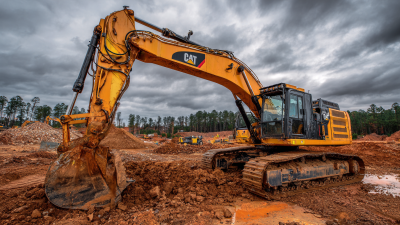
Imagine a bustling city. Cranes tower over construction sites, shaping the skyline. Excavators dig deep into the ground, laying the foundation for skyscrapers. Each civil engineering machine contributes unique capabilities. Yet, this reliance on technology raises questions. Are we too dependent on machines? What happens if they fail?
As we continue to innovate, the efficiency of civil engineering machines must be balanced with the need for skilled labor. While machines enhance productivity, human insight remains crucial in decision-making. Society must reflect on this relationship to ensure sustainable growth in infrastructure.
The Role of Civil Engineering Machines in Modern Infrastructure Development
Civil engineering machines play a pivotal role in developing modern infrastructure. These machines make the construction process faster and safer. Excavators, cranes, and mixers are typical examples of such equipment. They transform blueprints into tangible structures. Without them, major projects would take much longer to complete.
Safety is a critical concern in construction. Heavy machinery can reduce risks by automating hazardous tasks. However, improper use can lead to accidents. Operators must be adequately trained to handle these machines. Moreover, regular maintenance is essential to ensure their reliability. Downtime due to faulty equipment can hinder progress.
Despite their importance, we cannot overlook the environmental impact. Some machinery emits pollutants and consumes significant energy. Finding a balance between efficiency and sustainability is crucial. Innovative designs can help reduce this footprint. As we advance, integrating eco-friendly machines into infrastructure projects becomes vital. This evolution requires ongoing reflection and adaptation in the engineering field.
Types of Civil Engineering Machines and Their Functions
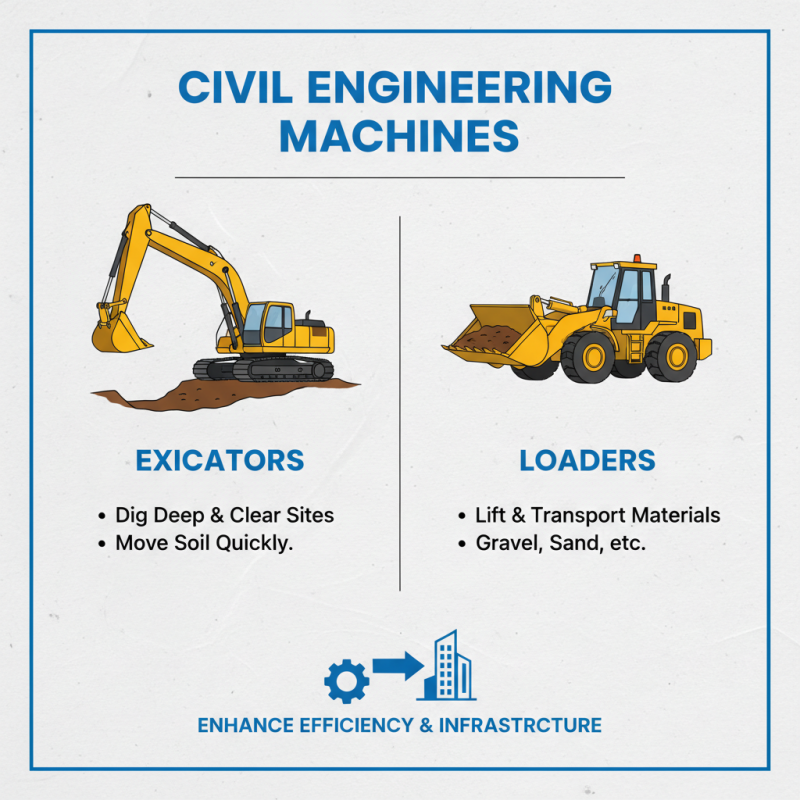
Civil engineering machines play a critical role in shaping our infrastructure. These machines vary widely and each serves a unique purpose. Excavators dig deep into the earth, clearing sites for projects. They can also move large amounts of soil quickly. Loaders, on the other hand, lift and transport materials such as gravel or sand. The versatility of these machines enhances efficiency on construction sites.
Another key machine is the concrete mixer. It prepares the mixture needed for foundations and roads. Without it, pouring concrete would be a tedious task. Compactors are equally important. They help in compressing soil, ensuring a solid base for structures. However, their operation requires skill, and improper use can lead to uneven surfaces.
Despite the advances in technology, challenges remain. Some machines may break down unexpectedly, causing delays. Operators must also be trained well; mistakes can lead to accidents. Balancing efficiency and safety is crucial. Overall, while civil engineering machines are indispensable, their effective use is a continuous learning process.
Impact of Advanced Machinery on Construction Efficiency and Safety
Modern infrastructure relies heavily on civil engineering machines. These machines enhance construction efficiency and improve safety standards. Advanced machinery streamlines processes, reducing time and labor costs. When employing modern technology, workers can focus on precision rather than manual tasks.
It's essential to maintain a balance between machine use and skilled labor. Over-reliance on machinery may lead to a decrease in traditional skills among workers. This shift can be concerning. Training programs should emphasize both aspects.
**Tip:** Always invest in training alongside new machinery. This ensures that teams are skilled in both modern and traditional techniques.
Safety is another critical area where advanced machinery shines. Machines can handle heavy loads, lowering the risk of injury. For instance, cranes lift materials effortlessly to great heights. However, operators must remain vigilant. A moment of inattention can lead to accidents.
**Tip:** Regular safety drills can help keep operators aware. Always encourage a culture of safety on site.
While machinery advances the industry, reflection is crucial. Understanding the potential pitfalls helps teams grow. An informed approach fosters a safer, more productive work environment.
Impact of Advanced Machinery on Construction Efficiency
This chart illustrates the efficiency gains provided by advanced machinery in civil engineering projects over the past decade. The data shows the average percentage of time saved during key construction phases.
Sustainability and Environmental Considerations in Machine Usage
Sustainability has become crucial in civil engineering. Machines used in construction can impact the environment significantly. Many heavy machines produce a large amount of emissions. This can contribute to air pollution and climate change. Finding ways to make these machines more efficient is essential.
Innovative technologies help reduce these effects. Electric and hybrid machines are becoming more common. They can lower emissions during operations. However, there is still a long way to go. Many construction sites still rely on traditional, pollutive machinery. The transition to sustainable options is slow and complicated.
Recycling materials on-site is another important aspect. This practice reduces waste and can save costs. Yet, not all companies adopt these methods. Training workers on sustainable practices is also vital. Educating the workforce is often overlooked. Each step taken toward sustainability is a challenge. Nevertheless, it is an important goal for the future of infrastructure.
Future Trends in Civil Engineering Machinery and Infrastructure Projects
The future of civil engineering machinery is rapidly evolving. Advanced technologies like automation and robotics are becoming integral. These innovations enhance precision and efficiency in infrastructure projects. For example, drones can survey large areas quickly, providing real-time data. This reduces risks and increases safety on job sites.
However, challenges remain. Many engineers face a learning curve with new technologies. Some may resist change due to comfort with traditional methods. Moreover, the cost of implementing cutting-edge machinery can be prohibitive for smaller firms. Finding a balance between innovation and practicality is crucial.
Sustainability is also a hot topic. Green machinery designed to minimize environmental impact is gaining traction. This reflects a growing awareness of our ecological footprint. However, integrating these solutions often requires significant investment and training. The road ahead is full of opportunities and hurdles for civil engineering machinery in reshaping our infrastructure.
Why Are Civil Engineering Machines Essential for Modern Infrastructure? - Future Trends in Civil Engineering Machinery and Infrastructure Projects
| Machine Type |
Primary Use |
Impact on Infrastructure |
Emerging Trends |
| Excavators |
Digging and earth moving |
Essential for foundation and trench work |
Automation and smart controls |
| Bulldozers |
Grading and pushing material |
Enhances site preparation efficiency |
Eco-friendly engines |
| Concrete Mixers |
Mixing and transporting concrete |
Critical for construction speed and quality |
On-site mixing innovations |
| Crane |
Lifting and moving heavy materials |
Facilitates tall structure assembly |
Telematics and remote operation |
| Asphalt Pavers |
Paving roads and surfaces |
Improves road durability and safety |
Recycling asphalt technology |