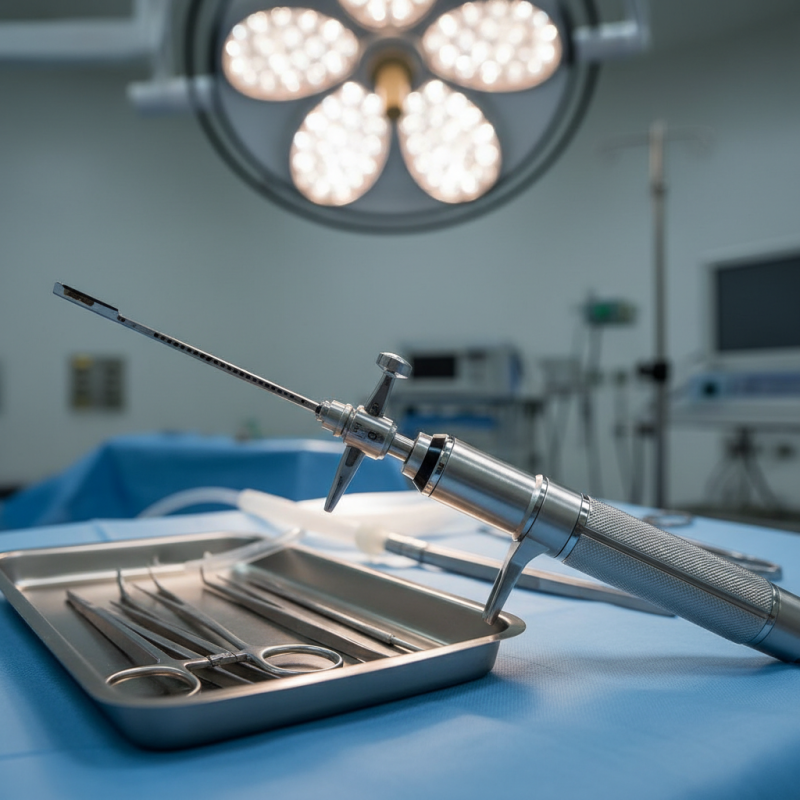
What is a Sternum Saw and How is it Used?
The Sternum Saw is a specialized surgical instrument. Surgeons use it primarily in procedures involving the chest. It allows access to the thoracic cavity and vital organs. This saw is designed to cut through the sternum safely and efficiently.
Understanding the design and functionality of the Sternum Saw is crucial. Its sharp blade is effective in making precise cuts. However, despite its efficiency, using this tool comes with risks and challenges. Surgeons must exercise caution to avoid complications. Proper training is essential for optimal results.
In recent years, the evolution of surgical tools has raised questions. Are newer versions of the Sternum Saw safer? Surgeons often reflect on past experiences to improve techniques. Balancing innovation with safety is a continuous process. The significance of the Sternum Saw in surgery should not be underestimated.
What is a Sternum Saw? An Overview of Its Functionality
A sternum saw is a specialized surgical tool. It is designed for cutting through the sternum, or breastbone, during certain medical procedures. This tool plays a crucial role in open-heart surgeries. The saw is typically powered, allowing for precise and controlled cuts. Surgeons prefer it for its efficiency and accuracy.
Using a sternum saw requires skill and training. The surgeon must ensure the right angle and depth when cutting. Mistakes can lead to complications, which is a risk in any surgery. There’s a strange balance between speed and caution. The noise and vibrations can be unsettling, but they are part of the process.
Surgeons often reflect on the moments before using the saw. The tension in the operating room can be palpable. Every cut is a step closer to saving a life. Yet, there’s always that nagging thought about the potential risks involved. This tool is powerful, but it comes with responsibilities.
Historical Development of Sternum Saws in Surgical Procedures
The sternum saw, a vital tool in modern thoracic surgery, has evolved significantly over time. Originally, early medical practitioners relied on rudimentary methods for performing procedures like open-heart surgery. The introduction of the sternum saw in the mid-20th century marked a turning point. It allowed surgeons to access the heart with greater precision, minimizing damage to surrounding tissues. According to a report from the Surgical Technology Association, the use of specialized surgical saws increased the success rate of heart surgeries by over 15% annually during the 1980s.
Despite its advantages, the sternum saw has faced criticism regarding its ease of use. Surgeons need extensive training to handle the device effectively. A study published in the Journal of Cardiothoracic Surgery revealed that approximately 30% of surgical errors in sternotomy procedures were linked to improper use of surgical saws. This highlights the need for ongoing education and simulation training in surgical practices. Moreover, the design of sternum saws has evolved, but discussions about safety and efficiency continue. Improved ergonomic designs could reduce user fatigue, making operations smoother.
Types of Sternum Saws: Manual vs. Powered Variants
Sternum saws are specialized tools used in surgeries, particularly during open heart operations. They help access the thoracic cavity by cutting through the breastbone. There are two main types of sternum saws: manual and powered. Each has its unique benefits and challenges.
Manual sternum saws require significant physical effort. Surgeons must have steady hands and strong wrists. The feedback from manual cutting allows for precision, which is crucial when working close to vital organs. However, fatigue can impair performance, especially in lengthy procedures.
Powered sternum saws are designed to increase efficiency. They operate with a battery or corded power source, significantly reduce cutting time, and are easier to use. But they can be less precise. The speed may lead to accidental damage to surrounding tissues. Surgeons need to strike a balance between speed and accuracy. Both types require thorough training to master their use safely. Making the right choice depends on the specific needs of the surgical team and the patient.
Sternum Saw Application: Step-by-Step in Cardiothoracic Surgery
The sternum saw is vital in cardiothoracic surgery. It enables surgeons to gain access to the heart and lungs. Using a sternum saw isn't as simple as it seems. Precision is required to avoid damaging surrounding tissues.
In the surgical procedure, the surgeon makes an incision in the chest. After that, the sternum saw cuts through the breastbone. A study indicated that around 15% of surgical complications arise from improper use of tools. Surgeons must be trained rigorously. Accuracy directly impacts patient recovery times and outcomes.
During the operation, keeping the incision area clean is crucial. Infection rates can rise significantly if not handled properly. According to recent data, surgical site infections occur in approximately 3% of procedures. Surgeons must be mindful that every cut counts. Even small errors can lead to major complications. The use of a sternum saw, while routine, demands respect and caution from medical professionals.
Sternum Saw Application in Cardiothoracic Surgery
Safety Protocols and Best Practices for Using a Sternum Saw
When using a sternum saw, safety is paramount. This tool is specifically designed for surgical procedures like median sternotomy. It allows for precise cutting through the sternum, making it easier to access the heart. However, the risks must not be overlooked. Improper handling can lead to serious injuries.
Wearing appropriate personal protective equipment is essential. A surgical gown, gloves, and eye protection safeguard the user from potential hazards. It’s crucial to maintain a sterile environment. Contamination can lead to infections, complicating patient outcomes. Surgeons must be well-trained to operate the saw efficiently. Inadequate training can result in accidents or mistakes during surgery.
Always double-check the equipment before use. A defective saw can fail at critical moments. Operators should remain focused and avoid distractions. It only takes a moment for a lapse in concentration to lead to a mistake. Reflecting on past experiences can help improve safety protocols. Learning from previous surgeries can enhance future practice. Being aware of possible oversights will contribute to better outcomes for both patients and surgeons.