Top 10 Automation Trends in Mechanical Engineering for Buyers

In recent years, automation mechanical engineering has transformed how industries operate, enhancing efficiency and precision. Experts like Dr. Emily Carter, a leading figure in the field, emphasize this shift. She states, "Automation is not just a tool; it's a revolution." This sentiment captures the essence of the ongoing trends in automation.

Today, numerous companies are integrating automation into their mechanical engineering processes. They seek innovative solutions that enhance productivity while reducing human error. From robotics in manufacturing to AI-driven design tools, these advancements are shaping the industry. Despite the benefits, challenges remain. Not all firms have adopted automation seamlessly, leading to mixed outcomes.

As buyers navigate the evolving landscape of automation mechanical engineering, understanding the top trends is crucial. Each trend presents opportunities and pitfalls. Embracing automation requires not only investment but also a strategic vision. By reflecting on these elements, firms can better position themselves for future success.
Top 10 Automation Trends in Mechanical Engineering for Buyers

Emerging Technologies in Mechanical Engineering Automation

Emerging technologies in mechanical engineering automation are reshaping the industry landscape. According to a recent report by McKinsey, around 60% of tasks in manufacturing could be automated by 2030. This shift promises to enhance productivity while also altering workforce dynamics.

One major trend is the integration of robotics with artificial intelligence (AI). AI-driven robots can adapt to variations in manufacturing processes. This adaptability leads to improved efficiency and reduced operational costs. Research from PwC indicates that companies implementing AI in automation see a 15% increase in productivity on average. However, the challenge lies in the integration of these advanced systems with existing workflows.

Another noteworthy development is the rise of the Internet of Things (IoT). IoT devices enable real-time data collection, providing insights that help optimize operations. Data from Statista shows that by 2025, there could be more than 75 billion connected devices. Yet, managing this vast amount of data poses significant hurdles for engineers. Effective strategies for data utilization must be developed to ensure these technologies yield their full potential.

Top 10 Automation Trends in Mechanical Engineering

This chart illustrates the impact level of emerging automation trends in mechanical engineering. Each trend is rated based on its significance and potential to revolutionize the industry.

Integration of AI and Machine Learning in Manufacturing Processes

The integration of AI and machine learning is revolutionizing manufacturing. Reports indicate that AI can boost productivity by up to 40%. This shift enhances decision-making processes and optimizes resource allocation. Companies are using algorithms to predict equipment failures. This proactive approach minimizes downtime and reduces maintenance costs.

Data from industry leaders suggest that 70% of manufacturers are exploring AI applications. Robots and smart sensors collect vast amounts of data. This data, when processed, leads to actionable insights. However, challenges remain. Many workplaces struggle with data integration across platforms. Adopting standardized protocols could ease this process.

Consider these tips for implementing AI in your operations. Start small with pilot projects to evaluate effectiveness. Monitor the results closely and adjust strategies as necessary. Ensure your team receives training on new technologies. Continuous learning will enhance efficiency and adaptation to innovations. Building a culture of openness towards change can also foster innovation. Embrace these trends cautiously yet confidently.

Impact of IoT on Mechanical Engineering Automation Solutions

The integration of IoT technology is reshaping the landscape of mechanical engineering automation. With IoT, machines and equipment gather data continuously, enhancing operational efficiency. This synergy allows companies to improve decision-making processes based on real-time insights. According to a report by McKinsey, IoT could generate up to $11 trillion in economic value by 2025.

IoT-enabled automation solutions significantly boost productivity. By connecting various systems, manufacturers can track equipment performance and predict maintenance needs. This predictive maintenance can reduce downtime by 20% to 50%, according to a study from Deloitte. Such improvements not only save costs but also extend the lifespan of machinery.

However, there are challenges in implementing IoT in mechanical engineering. Data security remains a significant concern, as interconnected systems can be vulnerable to cyber threats. Additionally, the initial investment in IoT technologies can be high, which might deter some companies. It is essential for organizations to weigh these factors carefully while considering the potential benefits of IoT-driven automation.

Advancements in Robotics for Industrial Automation Applications

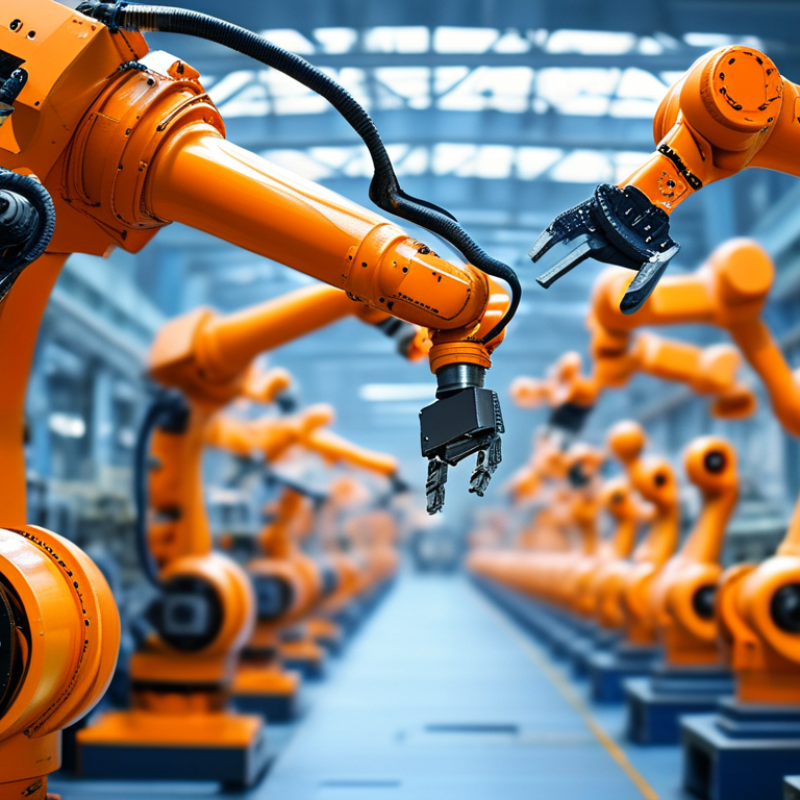
The landscape of industrial automation is rapidly evolving, particularly in robotics. Robotics has become an essential tool for enhancing efficiency in mechanical engineering. These advancements allow companies to optimize production processes and reduce manual labor. Robots are now capable of performing complex tasks with remarkable precision. This shift is not just about increasing speed; it’s also about improving quality.

The integration of artificial intelligence with robotics allows machines to learn from their environment. This adaptability opens new possibilities for automating diverse applications. For example, robots can now handle everything from assembly to packaging. However, there are still challenges. Many organizations struggle with the initial setup costs and the integration of new technologies. Training of staff to work alongside robots also remains a key concern.

As automation technologies continue to advance, the future holds exciting possibilities. Manufacturers can expect robots that are not only faster but also more intelligent. The question remains: how can businesses fully leverage these advancements? Addressing the balance between technology and human workforce will be critical. The journey ahead may not be perfect, but the potential for growth and efficiency is undeniable.

Sustainability Trends in Automation Within Mechanical Engineering

The shift towards sustainability in mechanical engineering is gaining momentum. A recent industry report indicates that about 68% of manufacturers are now incorporating sustainable practices in their automation processes. This shift not only addresses environmental concerns but also meets growing regulatory demands.

Sustainable automation involves adopting technologies that reduce waste and energy consumption. For instance, energy-efficient machinery can lead to a reduction of approximately 30% in energy use. Many organizations are also exploring the use of renewable energy sources for their automation needs. However, achieving these goals can be challenging. Companies often face hurdles in integrating new technologies with existing systems.

Data suggests that investments in sustainability-driven automation have typically yielded a return on investment of around 15-20%. While this is promising, not all initiatives meet their targets. Many experts emphasize the need for better training and awareness among employees to ensure that sustainability measures are effectively implemented. The road ahead is complex, but the commitment to sustainable practices is clear.

Top 10 Automation Trends in Mechanical Engineering for Buyers - Sustainability Trends in Automation Within Mechanical Engineering

Trend Description Impact on Sustainability Adoption Rate (%) Future Outlook
Energy-efficient Automation Implementing systems that reduce energy consumption in operations. Significant reduction in carbon footprint. 75% Expected growth as energy costs rise.
Smart Manufacturing Integrating IoT and AI to optimize manufacturing processes. Enhances resource efficiency and waste reduction. 68% Rapid evolution with AI advancements.
Additive Manufacturing Using 3D printing for creating components with less material waste. Reduces material usage and energy consumption. 72% Increasingly adopted in various sectors.
Digital Twins Creating virtual models of physical assets to improve performance. Optimizes maintenance, reducing resource waste. 60% Growing interest from manufacturers.
Robotics with Sustainability Focus Utilizing robots designed to minimize environmental impact. Lowers operational waste. 65% Expanding in eco-friendly industries.
Circular Economy Practices Designing systems for reusability and recycling. Promotes resource conservation. 70% Increasingly prioritized in manufacturing strategies.
Sustainable Supply Chain Automation Automating supply chain processes to improve efficiency. Reduces transportation and storage waste. 63% Continued innovation expected.
Remote Monitoring Solutions Tools to remotely monitor system performance and efficiency. Minimizes unnecessary energy use. 66% Critical for future optimization strategies.
Integration of Renewable Energy Adopting renewable energy sources in automation systems. Drastically reduces dependence on fossil fuels. 77% Expected to dominate future automation trends.
Artificial Intelligence for Predictive Maintenance Using AI to foresee equipment failures and reduce waste. Improves equipment longevity, decreasing resource extraction. 62% Significant trend in reducing environmental impact.